
If you live in Butler County, Ohio, understanding how your property value is assessed can make a real difference in managing your taxes and protecting your investment. Many property owners are unsure how values are established, when they change, or what steps to take if an assessment seems too high.
The Butler County Property Value Assessment Process follows a structured system designed to ensure fairness, accuracy, and transparency for all property types. This guide walks you through each stage of the assessment process, explains how your property’s value is determined, and outlines the actions you can take to review, correct, or appeal your assessment when necessary.
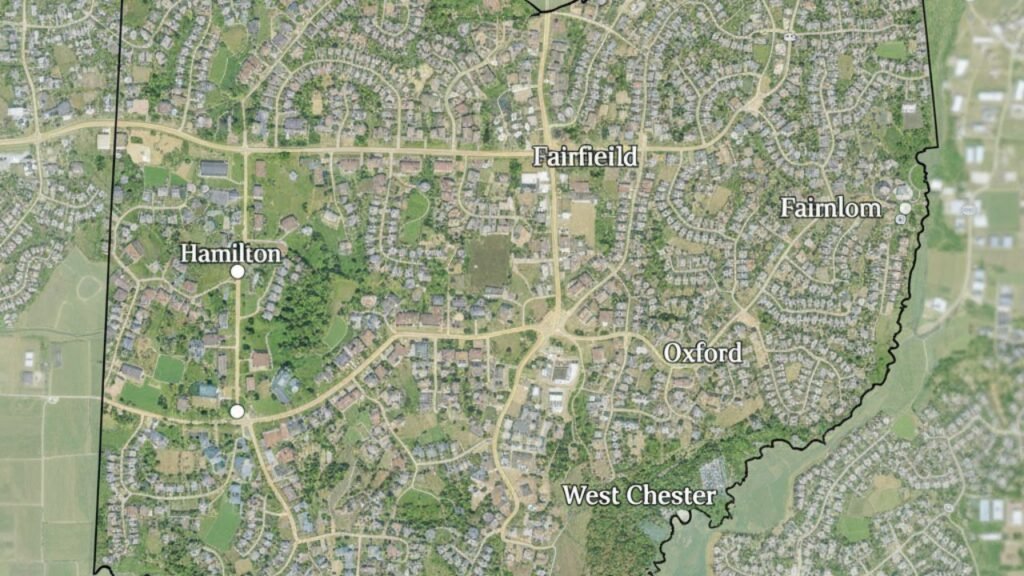
What Is the Property Assessment Process in Butler County?
The Butler County Property Value Assessment Process is the method used by the Butler County Auditor to determine the taxable value of every parcel of real estate in the county. This process ensures that properties are assessed at their fair market value and taxed consistently.
Property assessments are not random. They rely on sales data, property characteristics, and standardized valuation models. Ohio law requires counties to maintain accurate values so that tax burdens are distributed fairly among property owners.
The assessment process serves several important purposes:
- Establishes market-based property values
- Supports fair taxation
- Updates changes in property condition
- Reflects neighborhood market trends
Understanding this foundation helps property owners better interpret their assessment notices and identify potential errors.
Step 1: Property Data Collection and On-Site Review
Butler County begins the property assessment process by collecting detailed information about each property. This data forms the foundation for determining value.
County appraisers review:
- Property size and lot dimensions
- Building square footage
- Construction materials
- Year built and condition
- Number of rooms and bathrooms
- Recent improvements
Some properties receive exterior inspections, while others are reviewed through aerial imagery and public records.
What Homeowners Should Know
Homeowners should ensure their property records are accurate. Incorrect data—such as extra square footage or outdated features can raise assessed value unfairly.
You can:
- Review your property record online
- Report factual errors to the Auditor’s office
- Keep permits updated for renovations
Accurate data protects you from overassessment and ensures fairness.
Step 2: How Butler County Determines Market Value
Market value represents what a property would sell for under normal conditions. The Butler County Auditor analyzes recent sales of similar properties to establish neighborhood trends. Butler County property assessment.
Factors considered include:
- Comparable sales prices
- Location and school district
- Home size and style
- Property condition
- Market demand
Mass appraisal models are used to ensure consistency across thousands of properties.
Your Role in Verifying Property Information
Property owners play a critical role by confirming details are correct. Even small errors can impact market value.
You should verify:
- Living area square footage
- Number of structures
- Basement type
- Property class (residential, commercial, agricultural)
If discrepancies exist, contact the Butler County Auditor promptly.
Step 3: Calculating Your Assessed (Taxable) Property Value
In Ohio, assessed value equals 35% of market value. This percentage is set by state law.
Formula:
Market Value × 35% = Assessed Value
This assessed value is then multiplied by local tax rates to determine your tax bill.
Example of How Assessment Works
| Item | Amount |
| Market Value | $200,000 |
| Assessment Ratio | 35% |
| Assessed Value | $70,000 |
If tax rates total 60 mills (6%), your estimated tax would be:
$70,000 × 0.06 = $4,200 annually
Understanding this calculation helps homeowners estimate taxes and spot potential mistakes.
Step 4: Reappraisal Cycle and Triennial Updates in Butler County
Butler County follows Ohio’s six-year reappraisal cycle with a three-year update.
- Reappraisal Year: Full inspection and value reset
- Triennial Update: Market trend adjustments
These updates keep property values aligned with market conditions.
How Reappraisals Affect Your Property Value
Values may increase or decrease depending on:
- Local housing market trends
- Renovations or deterioration
- New construction nearby
Rising assessments do not always mean higher taxes, since tax rates may adjust.
Step 5: Special Valuation Adjustments and Property Classifications
Some properties qualify for special valuation programs that reduce taxable value.
Common classifications include:
- Agricultural use valuation
- Homestead exemption
- Commercial classification
- Industrial classification
Adjustments may also occur for:
- Property damage
- Demolition
- Zoning changes
What Property Owners Should Review
Confirm:
- Correct classification
- Eligibility for special programs
- Accuracy of land use
Incorrect classification can significantly impact taxes.
Step 6: Understanding Your Butler County Assessment Notice
Each assessment cycle, property owners receive an official notice showing:
- Market value
- Assessed value
- Prior year value
- Percentage change
This notice is your opportunity to review and take action.
What to Check When You Receive Your Notice
- Is property description accurate?
- Does value match local sales?
- Are exemptions listed?
If something looks wrong, contact the Auditor quickly.
Step 7: How to Appeal Your Property Value in Butler County
If you disagree with your valuation, you may file an appeal with the Butler County Board of Revision.
Appeals must be filed by the stated deadline, usually March 31.

Butler County Property Value Appeal Process Overview
Steps include:
- Gather comparable sales
- Complete complaint form
- Submit evidence
- Attend hearing (if scheduled)
- Receive written decision
Strong documentation increases success.
Step 8: Applying for Property Tax Exemptions and Credits
Several exemptions may reduce your taxable value:
- Homestead Exemption
- Disability Exemption
- Senior Citizen Reduction
- Veteran Programs
Applications are filed through the Butler County Auditor’s office.
Benefits may lower taxes by hundreds of dollars annually.
Step 9: Monitoring and Updating Your Butler County Property Record
Property ownership is ongoing, and records should stay current.
Best practices:
- Review record annually
- Keep copies of permits
- Document improvements
- Track neighborhood sales
Staying proactive prevents surprises.
Summary of Butler County’s Property Assessment Process
The Butler County Property Value Assessment Process:
- Collects accurate property data
- Determines fair market value
- Applies Ohio assessment ratio
- Updates values regularly
- Allows appeals and exemptions
This system balances fairness with transparency.

Conclusion
The Butler County Property Value Assessment Process exists to ensure equitable taxation across all property types. By understanding how values are determined, reviewing your records, and knowing your appeal rights, you gain control over one of your largest financial obligations. Butler County Auditor property assessment Staying informed empowers you to protect your investment and avoid paying more than your fair share.
FAQS
How often are properties reappraised in Butler County?
Properties are fully reappraised every six years with a value update every three years.
What is the assessment ratio used in Butler County?
Properties are assessed at 35% of their market value under Ohio law.
Can I appeal my Butler County property assessment?
Yes, you may appeal your assessment through the Butler County Board of Revision.
What should I do if my property information is incorrect?
Contact the Butler County Auditor to request a correction.
Do exemptions lower my property’s market value?
No, exemptions reduce taxable value, not market value.